

Measuring Our Conservation Impact
Real data, real change, real impact. Through comprehensive monitoring and community feedback, we track our progress in creating lasting coexistence between people and wildlife. Every metric tells a story of transformed lives and protected ecosystems.

Locals at the Frontline of Conflict
One of the impact we have seen is faster response to wildlife presence and increased confidence with communities shifting from reactive fear and retaliatory killings to informed decision-making.
Effective prevention requires a constant and trusted presence on the ground.
WCT’s Community Wildlife Scouts serve as that frontline protection.
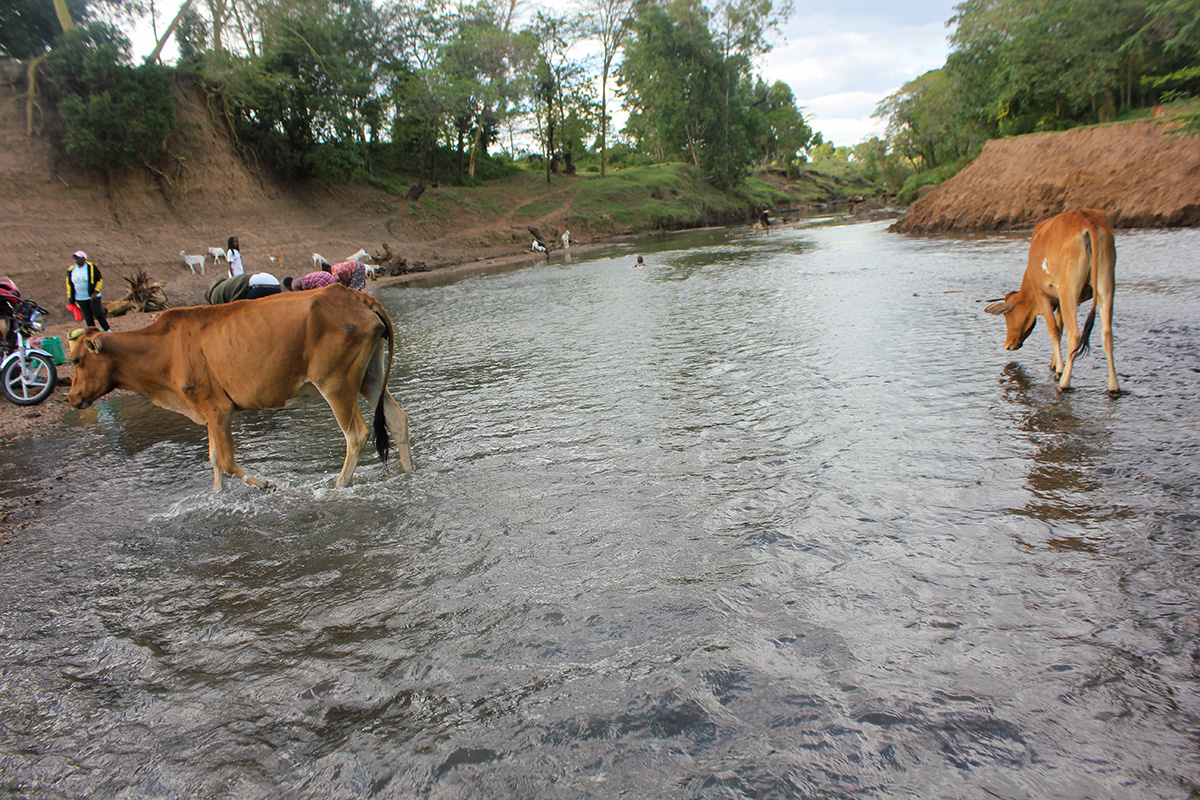
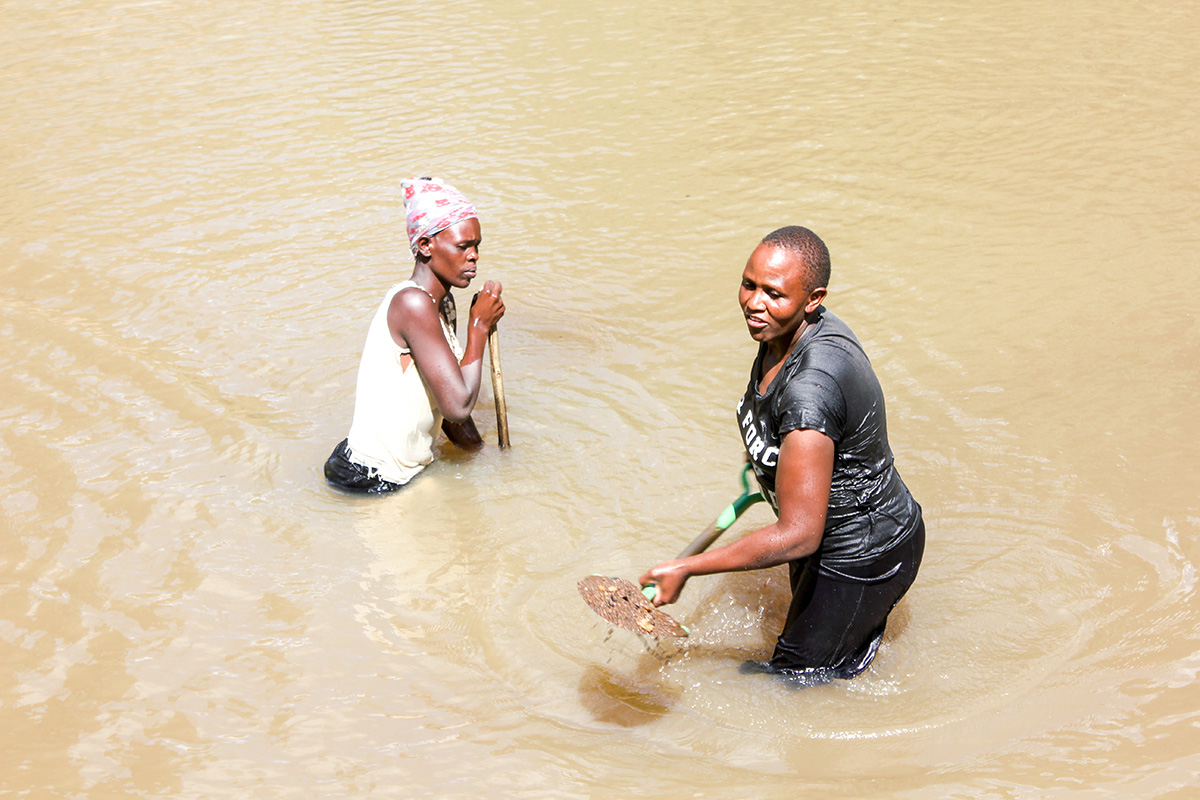
Recruited directly from conflict-affected villages, these trained community members monitor high-risk river corridors, respond to alerts, and support rapid intervention before encounters escalate into attacks.
What Community Wildlife Scouts do
01
Scouts conduct regular patrols along identified hippo and crocodile hotspots, particularly during peak movement hours at dawn and dusk.
02
They send alert notifying people, schools, and herders when wildlife is spotted.
03
They help redirect wildlife away from homesteads and grazing areas using non -lethal tools provided by WCT
04
Scouts are trained in basic first aid and emergency coordination, ensuring rapid action in case of incidents while liaising with the Kenya Wildlife Service.
05
Every sighting and incident is recorded, strengthening WCT’s evidence base and improving hotspot mapping and intervention planning.
Because Scouts are locally rooted, they understand their areas and their village dynamics better than any external responder.





Protecting people without killing wildlife
Community Wildlife Scouts have changed response to wildlife from a reactive crisis response to organized, community-led protection.
Killing wildlife after an attack does not solve the problem, it creates ecological imbalance and recurring risk.
WCT prioritizes non-lethal deterrence methods that safely separate people and wildlife .The objective is prevention, not reaction.
What we currently have in place
Acoustic Deterrents
Households and Community Wildlife Scouts have been equipped vuvuzelas that startle animals and push them back toward the river before cause damage.
Measures being established
Solar motion sensor lighting
Planned installation around homesteads in high-risk zones to discourage night-time wildlife movement into settlements
Chili and vegetative buffer barriers
To be planted along river access points to create natural avoidance zones that wildlife are reluctant to cross.
Community Testimonials

(2023-2024)
Key Achievements
- Established 12 community patrol groups across Bomet-Mara border
- Implemented early warning systems in 8 high-risk areas
- Reduced crop damage incidents by 65% in target communities
- Trained 120 community conservation guards